
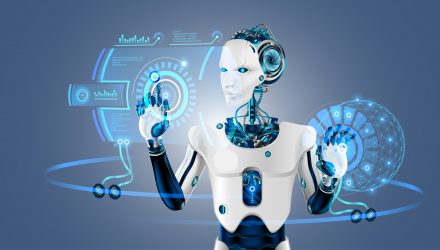
Technology has always shaped how people interact with machines, but we are now witnessing a major shift from simple interfaces like keyboards and screens to advanced systems that can understand human language, movement, and emotion. This transformation is being driven by multimodal interfaces—technologies that integrate voice, vision, gesture, and even touch to create seamless communication between humans and machines. As these systems evolve, they are redefining how work is done, how decisions are made, and how humans and machines collaborate to achieve common goals.
What Are Multimodal Interfaces
A multimodal interface allows users to interact with technology using multiple forms of input and feedback at the same time. Instead of typing or tapping, you might speak a command, wave a hand, or look at an object to trigger a response. These systems combine audio, visual, and sensory data to interpret intent and context more accurately than traditional interfaces. For example, modern AI assistants like Alexa or Google Assistant now use both speech recognition and visual displays to enhance user interaction, while advanced industrial robots can read gestures or facial expressions to anticipate human needs.
The Evolution of Human-Machine Interaction
In the early days of computing, humans had to adapt to machines. Interfaces were rigid, text-based, and limited to specific inputs. Over time, the rise of graphical interfaces, touchscreens, and voice assistants made technology more intuitive. Now, multimodal interfaces are completing this evolution by enabling natural interaction. Instead of issuing commands in a machine’s language, humans can communicate in their own. This represents a major leap toward creating systems that collaborate rather than simply obey.
How Multimodal Interfaces Are Changing the Workplace
In modern workplaces, machines are becoming active participants in tasks that once relied entirely on humans. Multimodal systems enable smoother communication, faster data access, and more efficient workflows. Some key examples include
-
Healthcare: Surgeons can use voice and gesture controls to operate imaging systems without touching equipment, improving hygiene and speed.
-
Manufacturing: Workers can instruct robots through voice or motion, reducing downtime and enhancing precision.
-
Customer Service: AI agents equipped with speech and facial recognition can respond empathetically, adapting tone and expression to customer emotions.
-
Remote Collaboration: Mixed-reality tools allow engineers and designers to manipulate virtual objects together in real time using gestures and speech.
These capabilities are transforming not just efficiency but also the relationship between humans and technology. Machines are no longer just tools; they are intelligent collaborators capable of interpreting context and adjusting behavior dynamically.
The Role of AI in Understanding Human Intent
At the heart of multimodal collaboration lies artificial intelligence. AI algorithms process massive amounts of sensory data—speech, images, motion—to identify patterns and understand meaning. Natural language processing enables machines to interpret commands, while computer vision allows them to recognize objects, faces, and gestures. Machine learning continually improves these systems as they gather more data from interactions. The goal is not just to execute instructions but to predict needs and assist proactively. For example, an AI-powered assistant in a factory might notice a worker’s hesitation and offer guidance before being asked.
Challenges of Multimodal Collaboration
While the promise is huge, building seamless human-machine partnerships comes with significant challenges. Machines must interpret complex, often ambiguous human behavior accurately. Cultural differences, accents, emotions, and environmental noise can confuse even advanced systems. Data privacy is another major concern since multimodal systems rely on continuous monitoring of speech, facial expressions, and movements. Ensuring ethical data use and transparent algorithms is essential for gaining user trust. Moreover, overreliance on automation can reduce critical thinking and skill retention if humans delegate too much decision-making to machines.
Skills and Workforce Transformation
As multimodal systems integrate deeper into workplaces, the skills employees need are evolving. Workers will need to understand how to interact with AI tools effectively, interpret machine feedback, and collaborate in hybrid teams. Training programs must focus on digital fluency, adaptability, and critical thinking. Soft skills like empathy, creativity, and leadership will gain importance as machines take on analytical and repetitive work. Companies adopting these systems must ensure that humans remain at the center of decision-making and that technology amplifies rather than replaces human capability.
Multimodal Interfaces Beyond the Office
The impact of multimodal technology extends beyond corporate environments. In education, students can engage with AI tutors that combine speech, visuals, and gesture-based interaction for personalized learning. In transportation, drivers use voice and eye-tracking systems to control navigation without distraction. In entertainment, virtual characters now respond naturally to tone, motion, and gaze, creating immersive experiences. As devices become more aware of human behavior, they will increasingly blend into daily life, making interaction effortless and intuitive.
The Path Toward Truly Collaborative Systems
The ultimate goal of multimodal human-machine collaboration is to achieve fluid, adaptive interaction where machines can understand context as well as humans do. This means recognizing emotion, intention, and subtle cues that go beyond data. Future systems will integrate advanced sensors, emotional AI, and contextual learning to achieve this. Organizations that embrace this shift will unlock new levels of productivity and innovation. Humans will focus more on creativity, strategy, and empathy, while machines handle processing, analysis, and precision. Together, they will form dynamic teams capable of solving complex problems faster than ever before.