
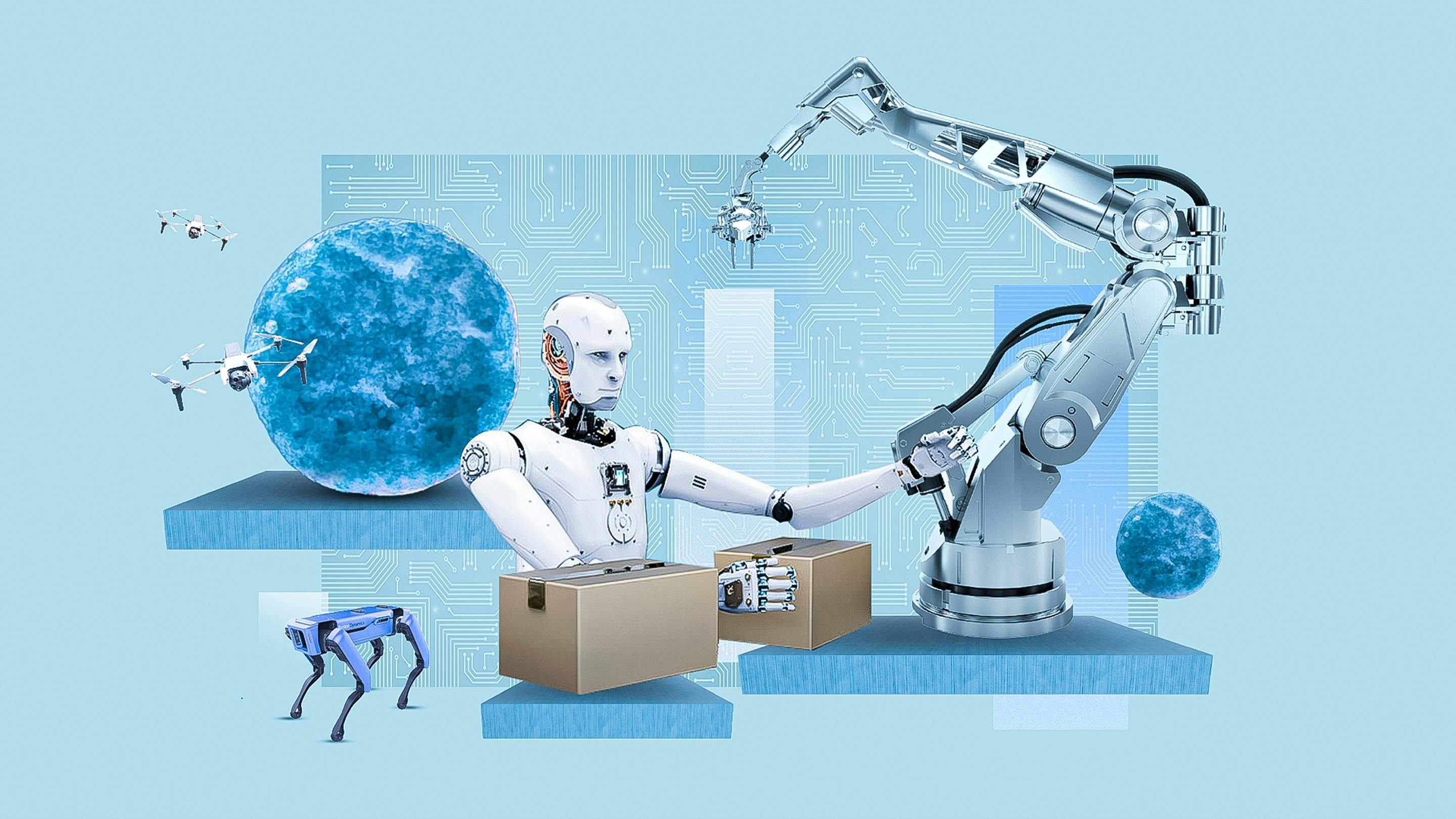
The Rise of Autonomous Systems: How Machines Are Becoming True Teammates
In the past decade, automation has evolved from performing repetitive tasks to making independent, intelligent decisions. Today, we’re witnessing the rise of autonomous systems — machines capable not just of executing commands, but of collaborating with humans. From self-driving vehicles to robotic process automation and AI-powered analytics, these systems are transforming industries and redefining the concept of teamwork between man and machine.
From Automation to Autonomy
Traditional automation was rule-based — systems could only follow pre-programmed instructions. But modern autonomous systems take it further by integrating:
-
Artificial Intelligence (AI) for decision-making and pattern recognition
-
Machine Learning (ML) to improve through experience
-
Sensors and Internet of Things (IoT) for real-time situational awareness
This shift enables machines to not just “do” tasks but understand, adapt, and cooperate in complex environments.
Where Autonomous Systems Are Making the Biggest Impact
1. Transportation and Mobility
Self-driving cars and autonomous drones are prime examples of autonomy in action. Companies like Tesla, Waymo, and Amazon are investing billions in technologies that:
-
Detect and respond to road conditions
-
Communicate with nearby vehicles
-
Optimize fuel efficiency and routing
Autonomous mobility promises safer roads, reduced congestion, and more efficient logistics networks.
2. Manufacturing and Industry 4.0
Factories are becoming “smart ecosystems” where robots and humans work side by side.
These collaborative robots — known as cobots — handle repetitive, dangerous, or high-precision tasks, while humans focus on strategy, creativity, and supervision.
Benefits include:
-
Improved safety and efficiency
-
Reduced downtime through predictive maintenance
-
Real-time optimization using AI-driven analytics
3. Healthcare and Medicine
Autonomous systems are revolutionizing medical care by assisting doctors in surgery, diagnostics, and patient monitoring.
For instance:
-
Robotic surgical systems can operate with microscopic precision
-
AI algorithms can analyze scans faster than humans
-
Smart monitoring devices track patient health continuously
This integration enhances accuracy, reduces human error, and expands access to healthcare worldwide.
4. Finance and Data Analysis
Autonomous trading algorithms and risk analysis systems now manage billions in assets. These systems can:
-
Analyze millions of data points in seconds
-
Detect anomalies or fraud patterns
-
Execute trades autonomously based on real-time signals
While speed and accuracy have improved, it also raises concerns about transparency and overreliance on algorithms.
The Human-Machine Partnership
The most exciting part of this evolution isn’t that machines are replacing humans — it’s that they’re becoming partners. Autonomous systems complement human strengths by taking over repetitive, data-heavy, or hazardous tasks while humans provide:
-
Ethical judgment
-
Emotional intelligence
-
Creative problem-solving
This partnership is most evident in sectors like aviation and logistics, where humans still supervise and validate machine decisions.
Challenges and Ethical Considerations
As autonomy grows, so do questions about trust, responsibility, and ethics.
Some key challenges include:
-
Accountability: Who’s responsible when an autonomous vehicle crashes?
-
Job displacement: How do industries support workers replaced by intelligent systems?
-
Bias and fairness: AI systems learn from data — if that data is biased, decisions will be too.
Building transparency into AI algorithms and ensuring human oversight are essential steps to maintaining trust in autonomous technology.
The Future of Autonomous Collaboration
The next phase of this technological revolution is collaborative intelligence — where human insight and machine precision work seamlessly together.
Future autonomous systems will:
-
Learn continuously from real-world interactions
-
Communicate naturally with humans through speech and gesture
-
Adapt to new environments with minimal programming
Imagine an architect working with an AI co-designer that suggests structural improvements, or a doctor consulting an AI assistant that analyzes thousands of patient cases in real-time.
Conclusion: Machines as Teammates, Not Tools
Autonomous systems are no longer mere tools — they’re becoming teammates that augment human capabilities and transform industries. The key to success lies in designing these systems with collaboration, transparency, and human-centered values at their core.
As we move toward an increasingly automated world, the question isn’t whether machines will replace humans — it’s how effectively we can work together to unlock innovation, efficiency, and progress.